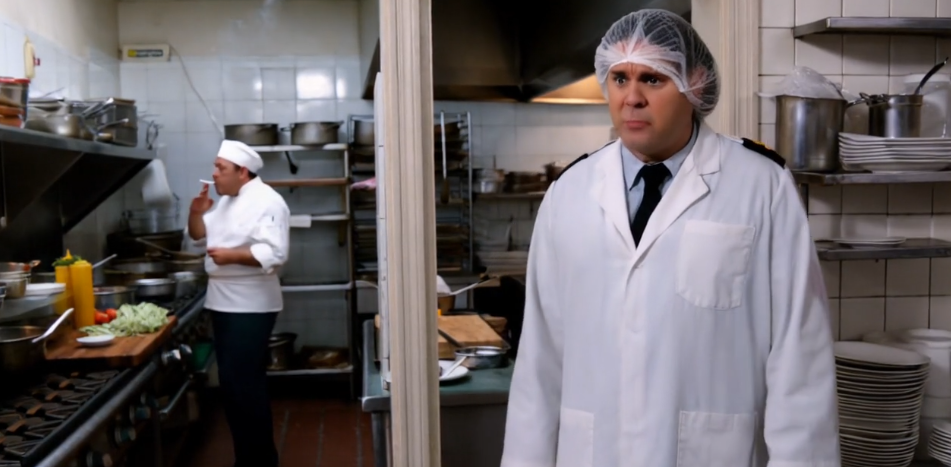
Picture this: It’s a busy Friday night. Your restaurant is packed, the kitchen is a whirlwind of sizzling pans and shouting chefs, and—oh no—the food inspector just walked in.
You break into a sweat (and not just from the heat of the grill). As they pull out their clipboard, you suddenly remember the expired yogurt in the back fridge, the raw chicken dangerously close to the lettuce, and the handwashing sink mysteriously doubling as a storage space.
Disaster.
But it doesn’t have to be this way! Passing a food safety inspection isn’t just about luck—it’s about preparation, good habits, and knowing exactly what that clipboard-wielding inspector is looking for. Let’s dive into how to ace your inspection and keep your kitchen running like a well-oiled (and very hygenic) machine.
What Are Inspectors Really Looking For? (Besides an Excuse to Shut You Down)
Food inspectors aren’t out to get you—they just want to make sure you’re not running a kitchen of horrors. Here are some of their top priorities:
1. Cleanliness is King (or Queen) 👑
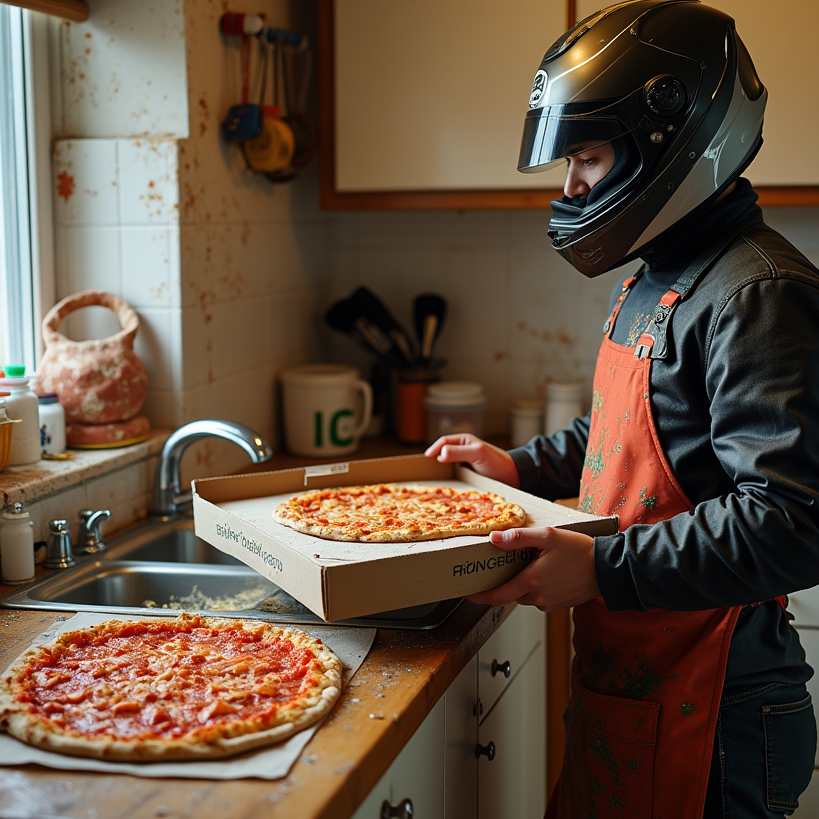
Everything should be spotless. Counters, floors, utensils—if it looks like a crime scene, you’re in trouble. Inspectors check for things like:
- Food debris hiding in corners
- Grease buildup on equipment
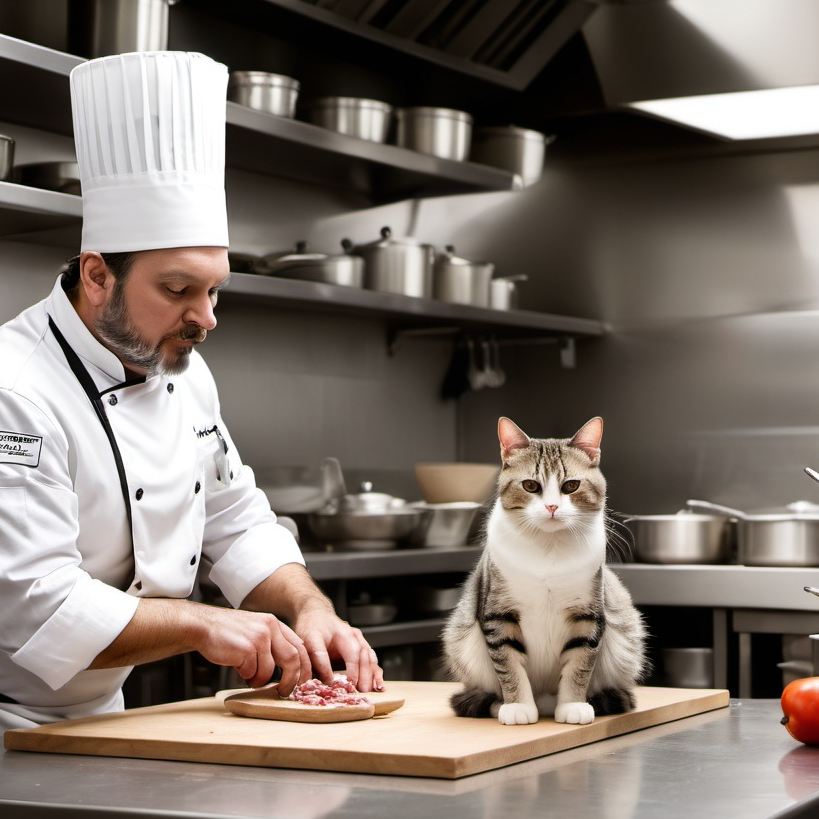
- Cross-contamination risks (like raw chicken juice on a prep table—ew!)
Pro Tip: If you wouldn’t eat off your own kitchen floor, your restaurant floor probably isn’t clean enough either.
2. Food Storage: The Fridge Tetris Challenge
You can’t just shove everything into the fridge and hope for the best. Inspectors will check that:
- Raw meats are stored below ready-to-eat foods (because nobody likes salmonella surprise).
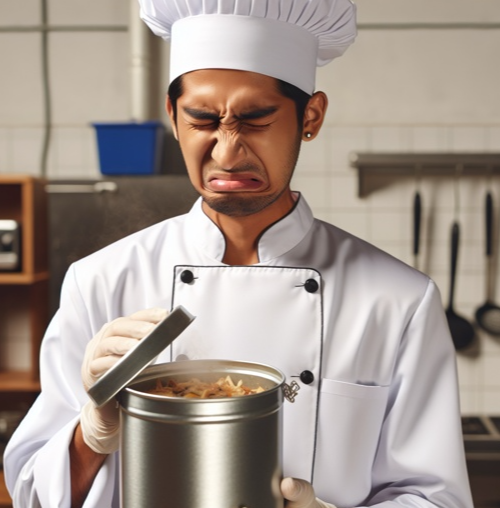
- Expiration dates are followed (no “vintage” mayonnaise, please).
- Refrigerators are at the right temperature (below 5°C/41°F).
3. The Handwashing Hustle 🧼
If your staff treats handwashing like an optional hobby, you’re in for trouble. Inspectors want to see:
- Handwashing sinks stocked with soap and paper towels.
- Staff actually washing their hands (yes, after handling raw meat, taking out the trash, and—let’s be real—scratching their nose).
- No sneaky handwashing sink abuse (it’s not a dishwashing station!).
4. Pest Control: No Uninvited Guests 🐀
Nothing kills an appetite faster than a roach doing a victory lap across the kitchen floor. Inspectors will look for:
- Signs of pests (droppings, nests, or actual critters waving at them).
- Proper waste disposal (because an overflowing trash bin is a rat’s dream buffet).
- Sealed food containers (no open sacks of flour tempting the local mice).
5. Cooking and Holding Temperatures: Keep it Hot or Cold, Never Warm
Food sitting in the “danger zone” (5°C–60°C or 41°F–140°F) is an open invitation to bacteria. Inspectors will check:
- Hot foods are kept above 60°C (140°F).
- Cold foods are below 5°C (41°F).
- Staff aren’t playing fast and loose with reheating leftovers.
Worst-Case Scenario: The Inspection from Hell
Let’s say you didn’t prepare. Here’s what could happen:
The inspector walks in and immediately spots a puddle of mystery liquid under the fridge. They move closer and—yikes!—a cockroach scuttles out. They open the fridge to check food storage, only to find expired shrimp lounging next to fresh vegetables.
They head to the sink, but… where’s the soap? Where are the paper towels? And why is someone washing a cutting board in the handwashing sink?
Then, as if things couldn’t get worse, they take a thermometer reading of your soup. It’s a lukewarm 50°C (122°F)—bacteria heaven.
At this point, the inspector isn’t just writing notes. They’re considering shutting you down.
Moral of the story? Don’t let this be you.
How to Pass with Flying Colors 🚀
Now that you know what NOT to do, here’s how to impress your inspector:
✅ Stay Organized – Regularly check food storage, expiration dates, and fridge temperatures.
✅ Clean Like Your Life Depends on It – Because, legally speaking, your business does.
✅ Train Your Staff – Make sure everyone knows (and follows) proper hygiene and food safety practices.
✅ Do Mock Inspections – Surprise your team with your own random inspections so they’re always prepared.
✅ Fix Issues Before They’re Found – If you notice a problem, don’t wait until an inspector points it out.
Final Thoughts: Acing Your Inspection
A food safety inspection doesn’t have to be terrifying—unless you ignore everything on this list. With a little preparation, some good hygiene habits, and a commitment to cleanliness, you’ll breeze through your next inspection with confidence.
And who knows? You might even impress the inspector so much they crack a smile. (Okay, maybe that’s pushing it.)
Now, go forth and protect every plate with expert training! 🍽️✅